
Translate

Showing posts with label technology trends. Show all posts

Friday, August 29, 2025

Blockchain's effect on scientific data

Featured Image

The Role of Blockchain in Enhancing Data Transparency

Blockchain technology has become a game-changer across various industries, offering new opportunities for improving transparency, security, and efficiency. In the field of scientific research, blockchain is set to revolutionize how data is managed and shared, addressing persistent challenges and driving innovation.

Immutable Data Records

One of the key features of blockchain is its immutability, meaning that once data is recorded on the blockchain, it cannot be altered. This characteristic is especially important in scientific research, where maintaining data integrity is crucial. Researchers can rely on an unchangeable ledger to ensure that their data remains authentic and untouched. For example, in clinical trials, this level of trust in data records can significantly impact regulatory compliance and patient safety.

Traceability and Auditability

Blockchain also enhances traceability and auditability by time-stamping every data entry and linking it to previous records. This provides a clear and transparent trail of data origins, making it easier for researchers to trace the source of data and audit the entire research process. In collaborative studies involving multiple institutions, blockchain ensures that all contributors are properly credited and that the research process is fully visible.

Open Access and Collaboration

Blockchain facilitates open access to data, which is essential for fostering collaboration and reproducibility in scientific research. By using blockchain, researchers can securely and transparently share data, allowing others to verify results and build upon existing work. This model can speed up scientific discovery by breaking down barriers to data sharing. Initiatives like those seen in platforms such as Nature highlight the potential for blockchain to democratize data access and promote a more inclusive research environment.

Improving Data Security and Privacy in Scientific Research

Decentralized Data Storage

Decentralized data storage is a major benefit of blockchain, as it reduces the risks associated with centralized data repositories. By distributing data across a network of nodes, blockchain minimizes the chances of data breaches and single points of failure. This approach enhances data security and makes sensitive research data less vulnerable to cyberattacks. It is particularly useful in fields like genomics, where large datasets require strong security measures.

Smart Contracts for Data Sharing

Smart contracts are self-executing agreements encoded on the blockchain that automate data sharing while ensuring compliance with privacy regulations. These contracts allow researchers to set predefined conditions for data access, ensuring that only authorized parties can view sensitive information. This automation streamlines the data-sharing process and reduces administrative burdens. For instance, smart contracts can facilitate secure data exchange in collaborative research projects, enabling partners to share data seamlessly and efficiently.

Encryption and Anonymity

Blockchain employs advanced cryptographic techniques to protect sensitive research data and maintain user anonymity. Through encryption, data stored on the blockchain becomes unreadable to unauthorized parties, safeguarding it from unauthorized access. Additionally, blockchain’s ability to anonymize user identities ensures that personal information remains confidential. These features are critical in research areas involving sensitive data, such as healthcare and clinical studies, where maintaining privacy is a top priority.

Streamlining Research Funding and Grants Tracking

Transparent Funding Processes

Blockchain can bring much-needed transparency to research funding processes, reducing instances of fraud and misallocation of funds. By recording all funding transactions on a transparent ledger, stakeholders can track how funds are allocated and spent. This transparency builds trust among funding agencies, researchers, and the public, ensuring that resources are used effectively. An example of blockchain’s potential in this area is its application in tracking public research grants, where transparency is essential for accountability.

Efficient Grant Disbursement

The efficiency of blockchain technology extends to the disbursement of research grants. By facilitating quicker and more efficient financial transactions, blockchain can reduce the time and administrative costs associated with grant management. Smart contracts can automate the release of funds based on predefined milestones, ensuring that researchers receive payments promptly. This efficiency is particularly beneficial for time-sensitive research projects, where delays in funding can hinder progress.

Impact Assessment and Reporting

Blockchain’s transparent record-keeping capabilities also enhance the tracking and reporting of research outcomes. By providing a verifiable record of research activities and results, blockchain enables more accurate impact assessments. Researchers and funding bodies can evaluate the effectiveness of research projects and make informed decisions about future investments. This capability is crucial in ensuring that research funding is directed toward projects with the greatest potential for positive impact.

Challenges and Limitations of Blockchain in Science Data

Scalability Concerns

Despite its numerous advantages, blockchain faces scalability challenges when applied to scientific data. The vast volumes of data generated in scientific research can strain blockchain networks, leading to slower processing times and increased costs. Addressing these scalability issues is essential for blockchain to be a viable solution for large-scale scientific data management. Innovations such as sharding and off-chain solutions are being explored to enhance blockchain scalability.

Interoperability with Existing Systems

Integrating blockchain with existing scientific data management systems presents technical and operational challenges. Many research institutions rely on legacy systems that may not be compatible with blockchain technology. Ensuring interoperability requires significant effort in terms of system upgrades and data migration. Collaborative efforts between blockchain developers and the scientific community are necessary to create seamless integration solutions that do not disrupt ongoing research activities.

Regulatory and Ethical Considerations

The adoption of blockchain in scientific research also raises regulatory and ethical considerations. Compliance with data protection regulations, such as GDPR, is essential when implementing blockchain solutions. Additionally, ethical concerns related to data ownership and consent must be addressed to ensure that blockchain adoption aligns with ethical research practices. Ongoing dialogue between policymakers, researchers, and technologists is crucial in navigating these complex issues.

Future Prospects and Innovations in Blockchain for Science

Emerging Use Cases

Blockchain is already being piloted in various innovative use cases within scientific research. For example, blockchain is being used to create decentralized networks for sharing genomic data, enabling researchers to collaborate while maintaining data privacy. These pilot projects demonstrate blockchain’s potential to transform research practices and pave the way for broader adoption. As more use cases emerge, blockchain’s role in science is likely to expand significantly.

Integration with Emerging Technologies

The potential synergies between blockchain and other emerging technologies, such as AI and IoT, hold exciting possibilities for scientific discovery. By integrating blockchain with AI, researchers can enhance data analysis capabilities, enabling more accurate and efficient research outcomes. Similarly, combining blockchain with IoT can facilitate real-time data collection and sharing, opening new avenues for research in fields like environmental monitoring and healthcare. Companies like IBM are exploring these synergies to advance scientific innovation.

Long-term Vision for a Blockchain-Enabled Scientific Ecosystem

Looking ahead, the widespread adoption of blockchain in scientific research could lead to the development of a comprehensive blockchain-enabled scientific ecosystem. In this ecosystem, data sharing, funding, and collaboration are seamlessly integrated, fostering a more efficient and transparent research environment. This long-term vision aligns with the goals of open science and has the potential to accelerate scientific discovery on a global scale. As researchers and institutions continue to explore blockchain’s capabilities, its transformative potential in science becomes increasingly apparent.

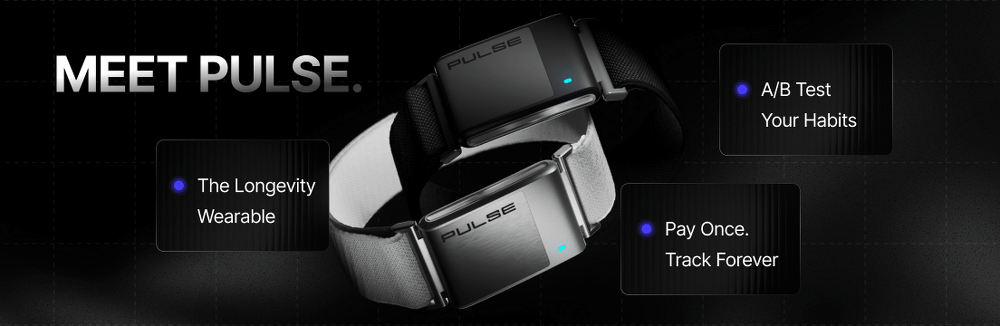
Pulse Unveils No-Subscription Wearable for Habit-Driven Health

Featured Image

Introducing Pulse: A New Approach to Personalized Health Technology

Pulse is making waves in the consumer health technology market with its innovative wearable device. Designed to help users test and optimize their daily habits through biometric feedback, Pulse represents a new direction in how people interact with health tech. Unlike traditional fitness trackers that often focus on step counts and heart rate, Pulse aims to provide deeper insights into how lifestyle choices affect sleep, energy levels, and recovery. Importantly, it does this without requiring a subscription, offering full access for a one-time purchase.

The Pulse wearable comes in two versions: the Genesis model priced at $249 and the Founder Edition at $349. Both models will be available for purchase and shipping starting July 31st. The device features multiple sensors, including heart rate, HRV (heart rate variability), temperature, motion, and sleep tracking. These sensors work together to deliver actionable guidance, helping users make informed decisions about their health.

Key Features That Set Pulse Apart

One of the most notable aspects of Pulse is its subscription-free model. Users pay once and gain full access to all features without any recurring fees. This approach makes the device more accessible and eliminates the long-term financial commitment often associated with similar products.

Another standout feature is the self-experimentation engine. This allows users to conduct controlled A/B tests on their personal habits, enabling them to evaluate the real-world impact of specific lifestyle changes. For example, a user can test whether morning cardio improves their focus later in the day or if night calls hinder their recovery. By analyzing their own data, users can uncover what truly works for them, rather than relying on generalized health advice.

Pulse also incorporates gamification elements to encourage consistent use and experimentation. The device rewards users for maintaining healthy habits and engaging in self-experiments, using progress-driven feedback loops to keep them motivated.

Vision Behind Pulse

River, the founder of Pulse, emphasizes that wearables today are often overloaded with features that don’t translate into meaningful action. "We built Pulse to help people identify what actually works for their body, based on real experiments—not generalized data," he said.

Pulse has already generated significant interest, raising $2.3 million in pre-seed funding and selling over $1 million in units before its official launch. The Founder Edition includes a stainless steel strap and access to an exclusive community of longevity enthusiasts, further enhancing the value proposition for early adopters.

“We’re not just building another tracker,” River added. “This is for people who want to feel sharp today and stay strong for decades—people who treat their daily routines as levers for lifelong health.”

Who Is Pulse For?

Pulse is appealing to a growing number of individuals who seek clarity over complexity in their health journeys. These are people who want to know if certain behaviors, like night calls or morning workouts, affect their well-being. Pulse provides the tools necessary to turn these questions into real experiments, using personal data to uncover what works best for each individual.

For those interested in joining the movement, there is an opportunity to secure early access by joining the waitlist at https://pulse.site.

About Pulse

Based in New York, Pulse is a wellness technology company founded in 2024. The company’s mission is to create technology that enables personalized health optimization through experimentation and biometric feedback. Its flagship product, the Pulse wearable, reimagines the role of wearables by giving users control, clarity, and ownership over their health data.

Connect With Pulse

Follow Pulse on social media for updates and insights:

For media inquiries, contact:

  • Name: Cosmin Julian
  • Email: press@pulse.site
  • Website: pulse.site

Blockchain's effect on scientific data

Featured Image

The Role of Blockchain in Enhancing Data Transparency

Blockchain technology has become a game-changer across various industries, offering new opportunities for improving transparency, security, and efficiency. In the field of scientific research, blockchain is set to revolutionize how data is managed and shared, addressing persistent challenges and driving innovation.

Immutable Data Records

One of the key features of blockchain is its immutability, meaning that once data is recorded on the blockchain, it cannot be altered. This characteristic is especially important in scientific research, where maintaining data integrity is crucial. Researchers can rely on an unchangeable ledger to ensure that their data remains authentic and untouched. For example, in clinical trials, this level of trust in data records can significantly impact regulatory compliance and patient safety.

Traceability and Auditability

Blockchain also enhances traceability and auditability by time-stamping every data entry and linking it to previous records. This provides a clear and transparent trail of data origins, making it easier for researchers to trace the source of data and audit the entire research process. In collaborative studies involving multiple institutions, blockchain ensures that all contributors are properly credited and that the research process is fully visible.

Open Access and Collaboration

Blockchain facilitates open access to data, which is essential for fostering collaboration and reproducibility in scientific research. By using blockchain, researchers can securely and transparently share data, allowing others to verify results and build upon existing work. This model can speed up scientific discovery by breaking down barriers to data sharing. Initiatives like those seen in platforms such as Nature highlight the potential for blockchain to democratize data access and promote a more inclusive research environment.

Improving Data Security and Privacy in Scientific Research

Decentralized Data Storage

Decentralized data storage is a major benefit of blockchain, as it reduces the risks associated with centralized data repositories. By distributing data across a network of nodes, blockchain minimizes the chances of data breaches and single points of failure. This approach enhances data security and makes sensitive research data less vulnerable to cyberattacks. It is particularly useful in fields like genomics, where large datasets require strong security measures.

Smart Contracts for Data Sharing

Smart contracts are self-executing agreements encoded on the blockchain that automate data sharing while ensuring compliance with privacy regulations. These contracts allow researchers to set predefined conditions for data access, ensuring that only authorized parties can view sensitive information. This automation streamlines the data-sharing process and reduces administrative burdens. For instance, smart contracts can facilitate secure data exchange in collaborative research projects, enabling partners to share data seamlessly and efficiently.

Encryption and Anonymity

Blockchain employs advanced cryptographic techniques to protect sensitive research data and maintain user anonymity. Through encryption, data stored on the blockchain becomes unreadable to unauthorized parties, safeguarding it from unauthorized access. Additionally, blockchain’s ability to anonymize user identities ensures that personal information remains confidential. These features are critical in research areas involving sensitive data, such as healthcare and clinical studies, where maintaining privacy is a top priority.

Streamlining Research Funding and Grants Tracking

Transparent Funding Processes

Blockchain can bring much-needed transparency to research funding processes, reducing instances of fraud and misallocation of funds. By recording all funding transactions on a transparent ledger, stakeholders can track how funds are allocated and spent. This transparency builds trust among funding agencies, researchers, and the public, ensuring that resources are used effectively. An example of blockchain’s potential in this area is its application in tracking public research grants, where transparency is essential for accountability.

Efficient Grant Disbursement

The efficiency of blockchain technology extends to the disbursement of research grants. By facilitating quicker and more efficient financial transactions, blockchain can reduce the time and administrative costs associated with grant management. Smart contracts can automate the release of funds based on predefined milestones, ensuring that researchers receive payments promptly. This efficiency is particularly beneficial for time-sensitive research projects, where delays in funding can hinder progress.

Impact Assessment and Reporting

Blockchain’s transparent record-keeping capabilities also enhance the tracking and reporting of research outcomes. By providing a verifiable record of research activities and results, blockchain enables more accurate impact assessments. Researchers and funding bodies can evaluate the effectiveness of research projects and make informed decisions about future investments. This capability is crucial in ensuring that research funding is directed toward projects with the greatest potential for positive impact.

Challenges and Limitations of Blockchain in Science Data

Scalability Concerns

Despite its numerous advantages, blockchain faces scalability challenges when applied to scientific data. The vast volumes of data generated in scientific research can strain blockchain networks, leading to slower processing times and increased costs. Addressing these scalability issues is essential for blockchain to be a viable solution for large-scale scientific data management. Innovations such as sharding and off-chain solutions are being explored to enhance blockchain scalability.

Interoperability with Existing Systems

Integrating blockchain with existing scientific data management systems presents technical and operational challenges. Many research institutions rely on legacy systems that may not be compatible with blockchain technology. Ensuring interoperability requires significant effort in terms of system upgrades and data migration. Collaborative efforts between blockchain developers and the scientific community are necessary to create seamless integration solutions that do not disrupt ongoing research activities.

Regulatory and Ethical Considerations

The adoption of blockchain in scientific research also raises regulatory and ethical considerations. Compliance with data protection regulations, such as GDPR, is essential when implementing blockchain solutions. Additionally, ethical concerns related to data ownership and consent must be addressed to ensure that blockchain adoption aligns with ethical research practices. Ongoing dialogue between policymakers, researchers, and technologists is crucial in navigating these complex issues.

Future Prospects and Innovations in Blockchain for Science

Emerging Use Cases

Blockchain is already being piloted in various innovative use cases within scientific research. For example, blockchain is being used to create decentralized networks for sharing genomic data, enabling researchers to collaborate while maintaining data privacy. These pilot projects demonstrate blockchain’s potential to transform research practices and pave the way for broader adoption. As more use cases emerge, blockchain’s role in science is likely to expand significantly.

Integration with Emerging Technologies

The potential synergies between blockchain and other emerging technologies, such as AI and IoT, hold exciting possibilities for scientific discovery. By integrating blockchain with AI, researchers can enhance data analysis capabilities, enabling more accurate and efficient research outcomes. Similarly, combining blockchain with IoT can facilitate real-time data collection and sharing, opening new avenues for research in fields like environmental monitoring and healthcare. Companies like IBM are exploring these synergies to advance scientific innovation.

Long-term Vision for a Blockchain-Enabled Scientific Ecosystem

Looking ahead, the widespread adoption of blockchain in scientific research could lead to the development of a comprehensive blockchain-enabled scientific ecosystem. In this ecosystem, data sharing, funding, and collaboration are seamlessly integrated, fostering a more efficient and transparent research environment. This long-term vision aligns with the goals of open science and has the potential to accelerate scientific discovery on a global scale. As researchers and institutions continue to explore blockchain’s capabilities, its transformative potential in science becomes increasingly apparent.

Pulse Unveils No-Subscription Wearable for Habit-Driven Health

Featured Image

Introducing Pulse: A New Approach to Personalized Health Technology

Pulse is making waves in the consumer health technology market with its innovative wearable device. Designed to help users test and optimize their daily habits through biometric feedback, Pulse represents a new direction in how people interact with health tech. Unlike traditional fitness trackers that often focus on step counts and heart rate, Pulse aims to provide deeper insights into how lifestyle choices affect sleep, energy levels, and recovery. Importantly, it does this without requiring a subscription, offering full access for a one-time purchase.

The Pulse wearable comes in two versions: the Genesis model priced at $249 and the Founder Edition at $349. Both models will be available for purchase and shipping starting July 31st. The device features multiple sensors, including heart rate, HRV (heart rate variability), temperature, motion, and sleep tracking. These sensors work together to deliver actionable guidance, helping users make informed decisions about their health.

Key Features That Set Pulse Apart

One of the most notable aspects of Pulse is its subscription-free model. Users pay once and gain full access to all features without any recurring fees. This approach makes the device more accessible and eliminates the long-term financial commitment often associated with similar products.

Another standout feature is the self-experimentation engine. This allows users to conduct controlled A/B tests on their personal habits, enabling them to evaluate the real-world impact of specific lifestyle changes. For example, a user can test whether morning cardio improves their focus later in the day or if night calls hinder their recovery. By analyzing their own data, users can uncover what truly works for them, rather than relying on generalized health advice.

Pulse also incorporates gamification elements to encourage consistent use and experimentation. The device rewards users for maintaining healthy habits and engaging in self-experiments, using progress-driven feedback loops to keep them motivated.

Vision Behind Pulse

River, the founder of Pulse, emphasizes that wearables today are often overloaded with features that don’t translate into meaningful action. "We built Pulse to help people identify what actually works for their body, based on real experiments—not generalized data," he said.

Pulse has already generated significant interest, raising $2.3 million in pre-seed funding and selling over $1 million in units before its official launch. The Founder Edition includes a stainless steel strap and access to an exclusive community of longevity enthusiasts, further enhancing the value proposition for early adopters.

“We’re not just building another tracker,” River added. “This is for people who want to feel sharp today and stay strong for decades—people who treat their daily routines as levers for lifelong health.”

Who Is Pulse For?

Pulse is appealing to a growing number of individuals who seek clarity over complexity in their health journeys. These are people who want to know if certain behaviors, like night calls or morning workouts, affect their well-being. Pulse provides the tools necessary to turn these questions into real experiments, using personal data to uncover what works best for each individual.

For those interested in joining the movement, there is an opportunity to secure early access by joining the waitlist at https://pulse.site.

About Pulse

Based in New York, Pulse is a wellness technology company founded in 2024. The company’s mission is to create technology that enables personalized health optimization through experimentation and biometric feedback. Its flagship product, the Pulse wearable, reimagines the role of wearables by giving users control, clarity, and ownership over their health data.

Connect With Pulse

Follow Pulse on social media for updates and insights:

For media inquiries, contact:

  • Name: Cosmin Julian
  • Email: press@pulse.site
  • Website: pulse.site

Labels

APPEALING America Amérique Artprint Avec Bandouilliere| Berlin Bettmann Bijoux Black Boutique Buit your own eiffel Cadeau Cadeaux Cairngorms Canada Chateaubriand. Chopin Claude Coffret Count down Couple Delaunay Design Durrens Edition Eiffel Eiffel Photo Eiffel in soap Eiffel pajamas Eiffelturm Grösse Größe HEBAGermany Honeymoon Thrills at Cheaper Deals Kunstdruck Laiton Leinwandbild Magasin Main Modernism Mémoires National Noir P.... Paris Park Photo Photographic Photos Pictorial Poster Print Reviews Robin Romantic Honeymoon Rouge| Royal Ruth Révolution STUNNING Savon Sculpté Sehenswürdigkeiten Souvenir Souvenirs States Stylobille Timothy Toile Toiles Top Island Destination Tour Tower United Wampler Wedding anniversary in Paris Wedding anniversary celebration in Paris acheter aimantée album amazonfr. angleterre années autumn baptême barcelone berlinois bilingue bois bordeaux boutiques boîte cavalier chansons chili comme d'antan d'art d'ici d'outretombe. d'un dimanche débuts eiffel 65 eiffel demos eiffel in bag eiffel in book eiffel in cake eiffel in canvas eiffel in lamp eiffel in rain eiffel in shirt eiffel in snow eiffel in software eiffel in sunrise eiffel in sunset eiffel kiss eiffel rain eiffel souvenir entretiens françaisanglais gens guerre honeymoon honeymoon destination hotel in paris hôte. job justice l'exposition ligne livraison mécanique n°01 n°019 n°033 n°039 n°047 n°09 n°51 obscurs officierà orchestres originaux patines... pittoresque polonais portraits pour route santiago. schwarzweiss shiny strange eiffel picture sudouest suite suivre. taking talents tirage tivoli tours témoignages universelle usus.i valparaiso vieilles vieux voyage événements